The Critical Role of Payment Processors
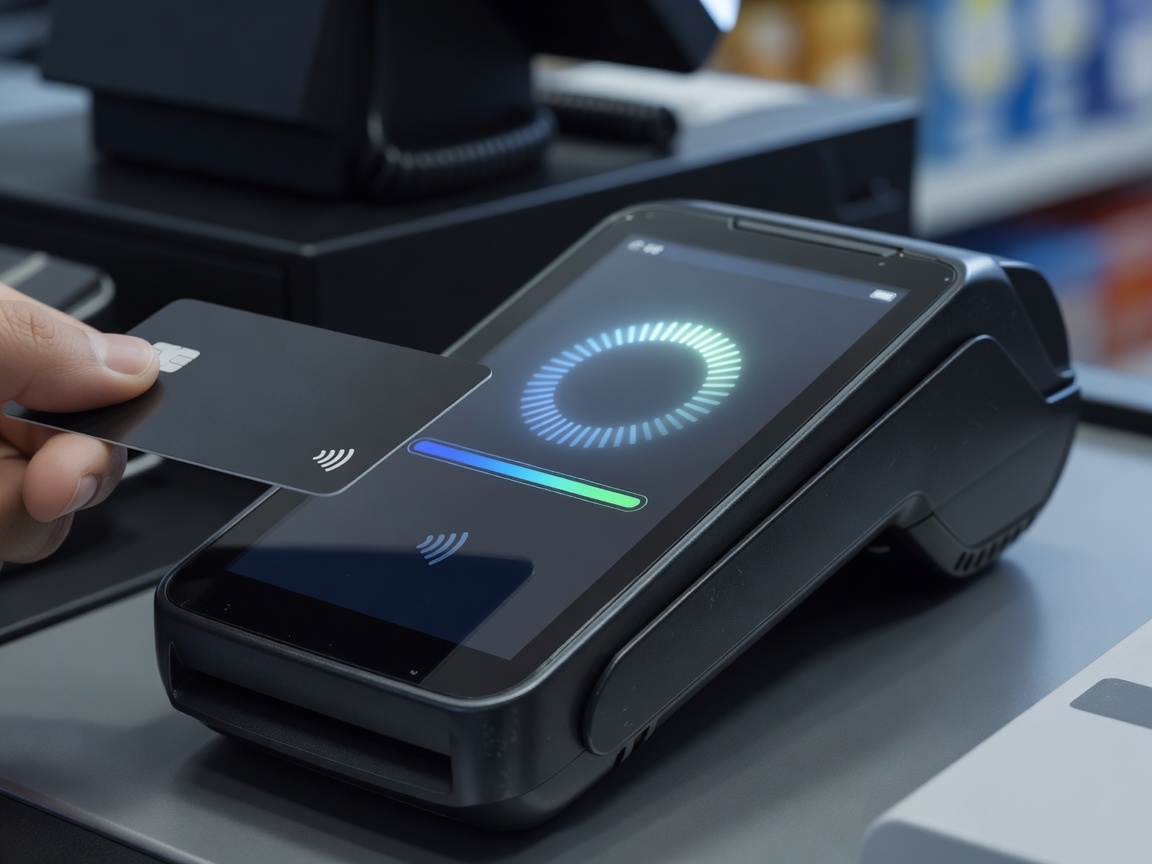
In the architecture of an e-commerce operation, the payment gateway is the critical bridge between the merchant's website and the complex global financial network. A gateway acts as the secure conduit that encrypts sensitive credit card details, verifies them with the issuing bank, and returns a success or failure code within milliseconds. Choosing the right payment gateway involves balancing transaction fees, geographical coverage, and the seamlessness of the user checkout experience.
Aggregators vs. Dedicated Merchant Accounts
When selecting a payment processing solution, businesses must first understand the fundamental difference between Payment Service Providers (Aggregators) and Dedicated Merchant Accounts.
Payment Aggregators
Aggregators, such as Stripe, PayPal, and Square, pool multiple merchants into a single master merchant account. This model drastically simplifies the onboarding process. New merchants can often start accepting payments within minutes without undergoing rigorous individual underwriting. However, because the aggregator assumes the risk for all sub-merchants, they employ aggressive fraud algorithms. This can sometimes result in sudden account freezes or fund holds if the system detects unusual volume spikes, posing a liquidity risk for rapidly scaling stores.
Dedicated Merchant Accounts
A dedicated merchant account provides an individual ID specific to your business, underwritten directly by an acquiring bank. While the setup process is more arduous—often requiring extensive financial documentation and processing history—it offers greater stability. Businesses with dedicated accounts typically face fewer unexpected freezes and can often negotiate lower interchange-plus pricing models as their transaction volume increases.
Security and Compliance (PCI-DSS)
Handling financial data comes with immense legal and operational responsibilities. The Payment Card Industry Data Security Standard (PCI-DSS) is a set of security standards designed to ensure that all companies that accept, process, store, or transmit credit card information maintain a secure environment.
Tokenization
Modern payment gateways utilize tokenization to minimize the merchant's PCI compliance burden. Instead of the merchant's server capturing and storing the raw 16-digit card number, the data is sent directly from the customer's browser to the gateway's secure vault. The gateway returns a secure, randomized token to the merchant. This token can be used for future billing (such as subscriptions or one-click checkouts) but is mathematically meaningless if intercepted by malicious actors.
3D Secure Authentication
To further combat card-not-present (CNP) fraud, gateways now heavily integrate 3D Secure (3DS). This protocol requires the customer to complete an additional verification step with their card issuer, such as entering a one-time password sent via SMS or approving the transaction in a banking app. Successful 3DS authentication shifts the liability for chargebacks from the merchant to the card issuer, providing significant financial protection.
Adapting to Consumer Preferences
The modern checkout page must cater to a diverse array of consumer payment preferences to prevent cart abandonment. It is no longer sufficient to merely accept standard credit cards.
- Digital Wallets: Integration with Apple Pay and Google Pay allows users to bypass tedious form-filling, authenticating transactions via biometric sensors on their devices. This frictionless process dramatically increases mobile conversion rates.
- Buy Now, Pay Later (BNPL): Services that split the purchase price into interest-free installments have proven to increase Average Order Value (AOV), particularly for fashion and high-ticket electronics. The merchant is paid upfront (minus the provider's fee), while the provider assumes the credit risk.
- Local Payment Methods: For cross-border e-commerce, offering localized payment methods is mandatory. Examples include iDEAL in the Netherlands, Alipay in China, or Boleto in Brazil. A robust global gateway will dynamically display the most relevant options based on the user's IP address.
Analyzing Fee Structures
Understanding gateway pricing is essential for protecting profit margins. Flat-rate pricing (e.g., 2.9% + $0.30 per transaction) is common and predictable for small businesses. However, enterprise operations should seek Interchange-Plus pricing. This model passes the exact base fee set by the card networks (interchange) directly to the merchant, plus a small, transparent markup for the processor. While slightly more complex to reconcile, it almost invariably results in lower overall costs for high-volume retailers.